For homes
For homeowners, fault finding usually starts with a specific symptom such as tripping, flickering or a dead circuit.
Many electrical faults are intermittent or hidden inside walls, ceilings and floor voids. Guessing wastes time. Methodical testing finds the fault and proves it has been fixed.
Warning signs
These are the symptoms that mean you need fault finding & safety inspections straight away rather than a routine booking.
We trace the source of burning smells to overheating connections, failing accessories or damaged cables.
We find the circuit or appliance leaking current to earth and causing RCDs to trip.
We locate short circuits between conductors in cables, accessories and fittings.
We find loose terminations that cause flickering, buzzing and heat build-up.
We identify connections running hot before they cause scorching or a fire.
We trace damaged cables behind plaster, under floors and in loft spaces.
On site
Once the immediate danger is removed, the work moves from making safe to a lasting repair. This is what that involves.
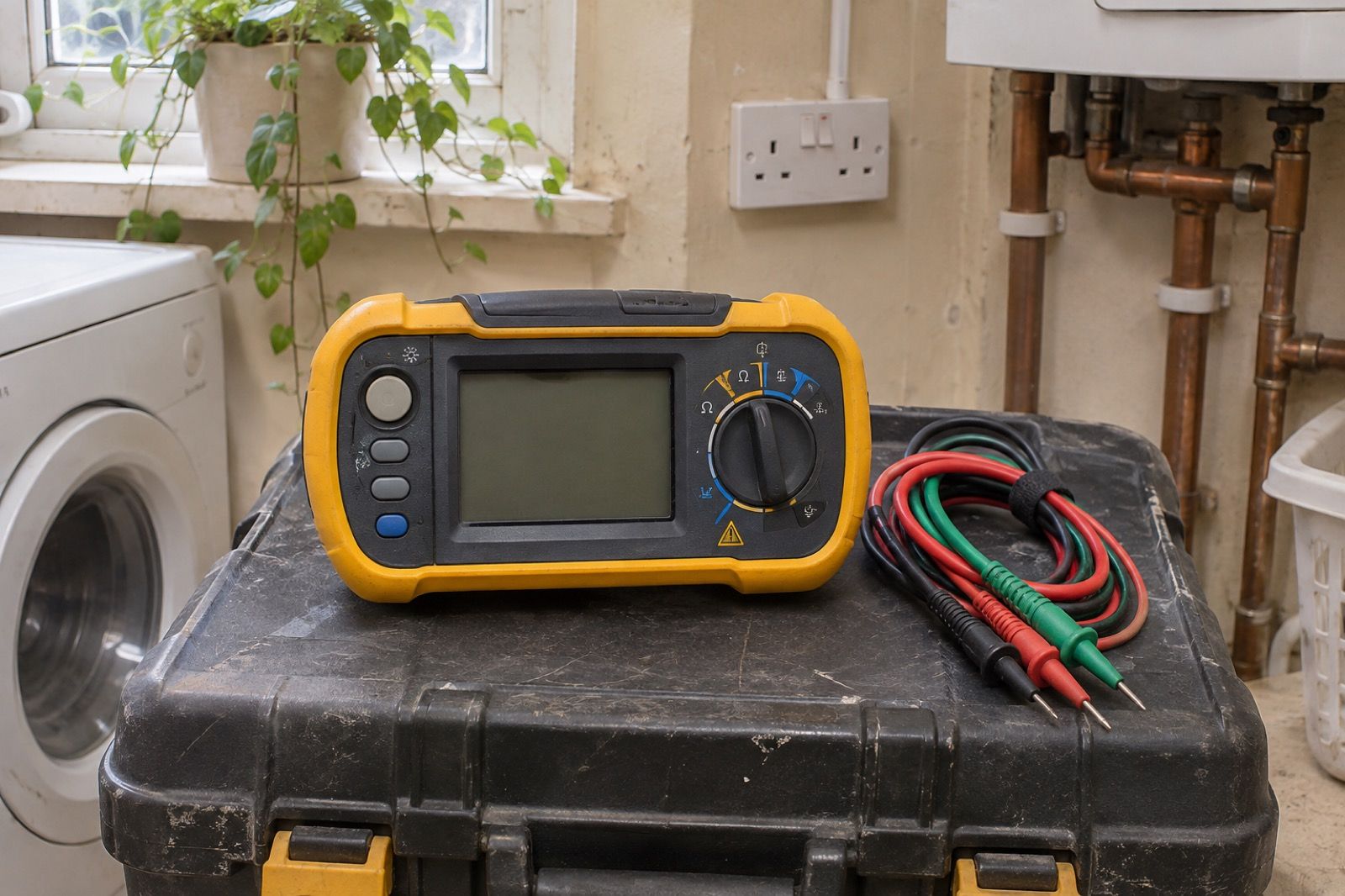
Insulation resistance tests reveal damaged or deteriorating cable insulation.
Continuity tests confirm that protective and live conductors are complete and correctly connected.
We measure supply and circuit voltages to identify supply problems and failed neutrals.
Earth fault loop impedance tests confirm that protective devices will disconnect in time.
We look for the conditions that lead to electrical fires, such as overloading and heat damage.
We check the installation against the current UK wiring regulations, BS 7671, and report what needs attention.
The process
We ask when the fault happens, what was in use and what work has been done recently.
We inspect the consumer unit, accessories and visible wiring for damage and heat.
We test circuit by circuit, narrowing the fault down to a single cable, accessory or appliance.
We repair the fault where possible and give you a clear written summary of findings.
Safety first. Tick off each step while you wait for us.
Homes and businesses
For homeowners, fault finding usually starts with a specific symptom such as tripping, flickering or a dead circuit.

For landlords and businesses, a property electrical safety inspection gives a documented picture of the condition of the installation.
Near you
We provide fault finding & safety inspections across our whole service area. For local details see fault finding & safety inspections in Bridgwater and fault finding & safety inspections in Taunton, or our county pages for Somerset, Bristol, Devon, Dorset and Wiltshire.
Type your town or the first part of your postcode, for example TA6 or Yeovil.
Questions
Most domestic faults are located within one to two hours. Intermittent faults can take longer because they may only appear under certain loads or conditions.
Yes. Intermittent faults are traced by testing insulation and connections under load and by recording when the fault occurs, such as during rain or when a particular appliance runs.
Stop using the socket, switch off the circuit at the consumer unit if it is safe to do so, and call an emergency electrician. A burning smell usually means a connection is overheating.
Yes. In England, landlords of private rented homes must have the electrical installation inspected and tested by a qualified person at least every five years and give a copy of the report to tenants.
Also available
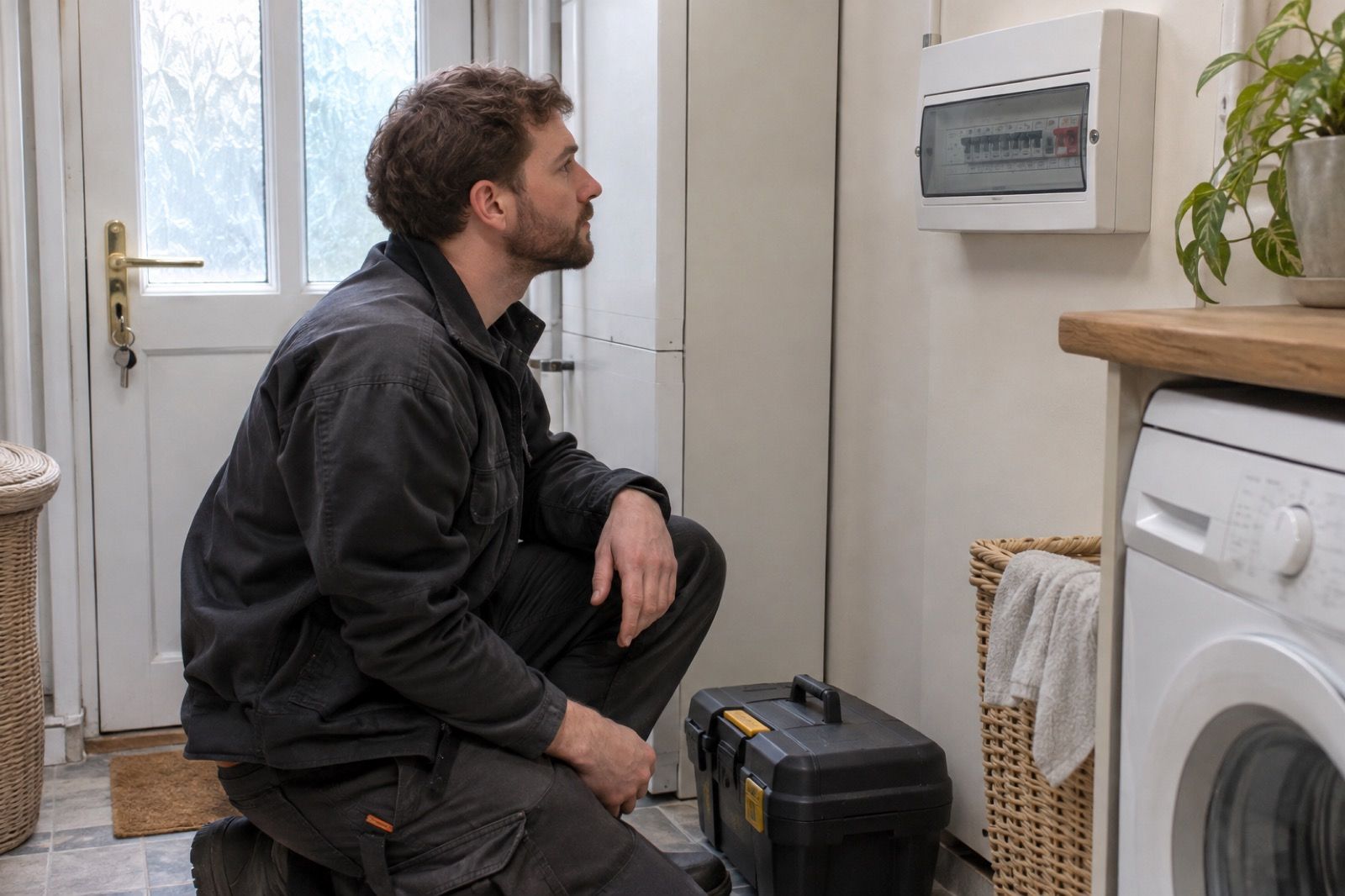
Burning smells, sparking sockets, dead circuits and water in electrics made safe and repaired, day or night.
Find out more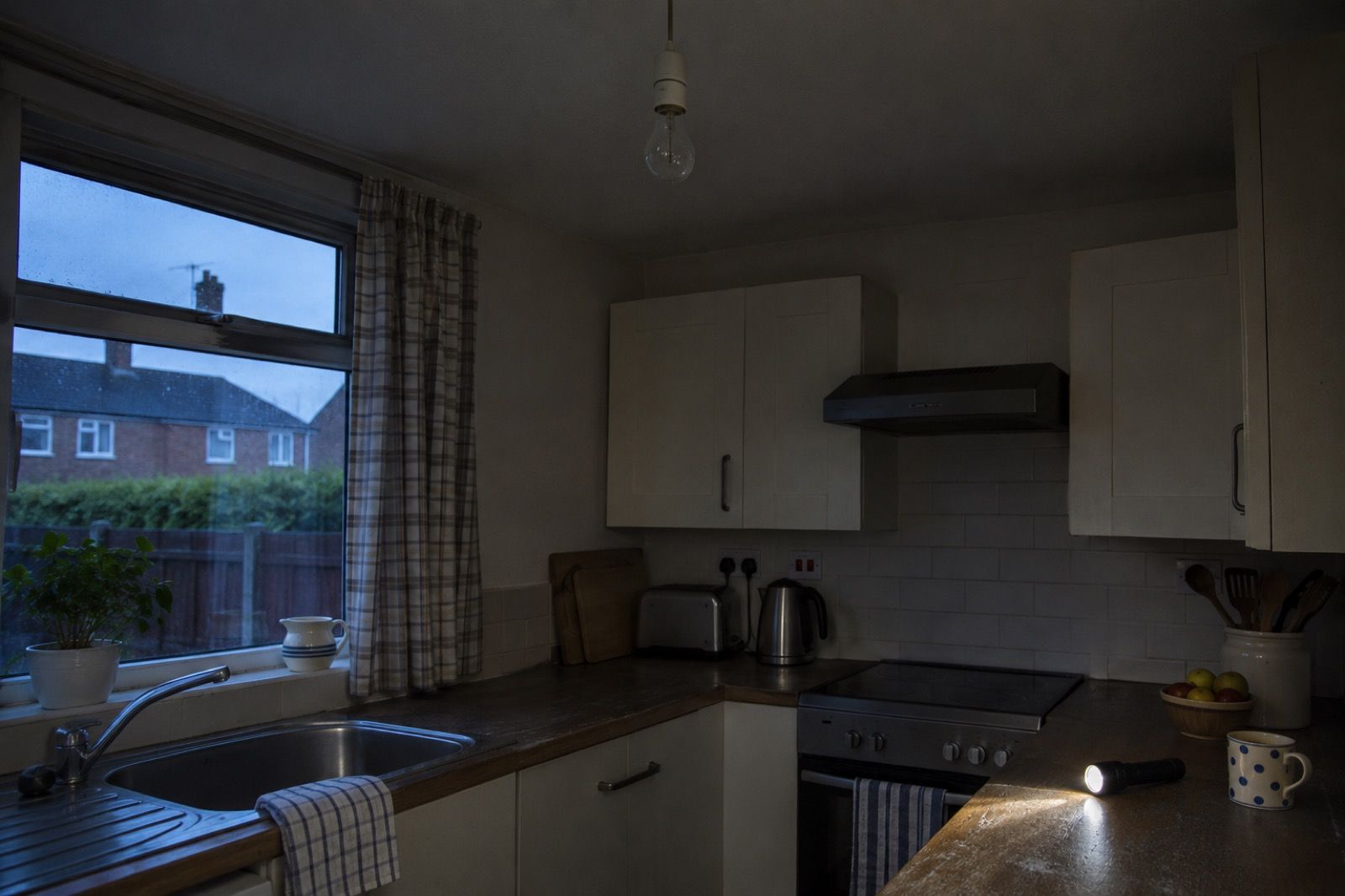
Sudden, partial or repeated loss of power traced and restored on your side of the meter.
Find out more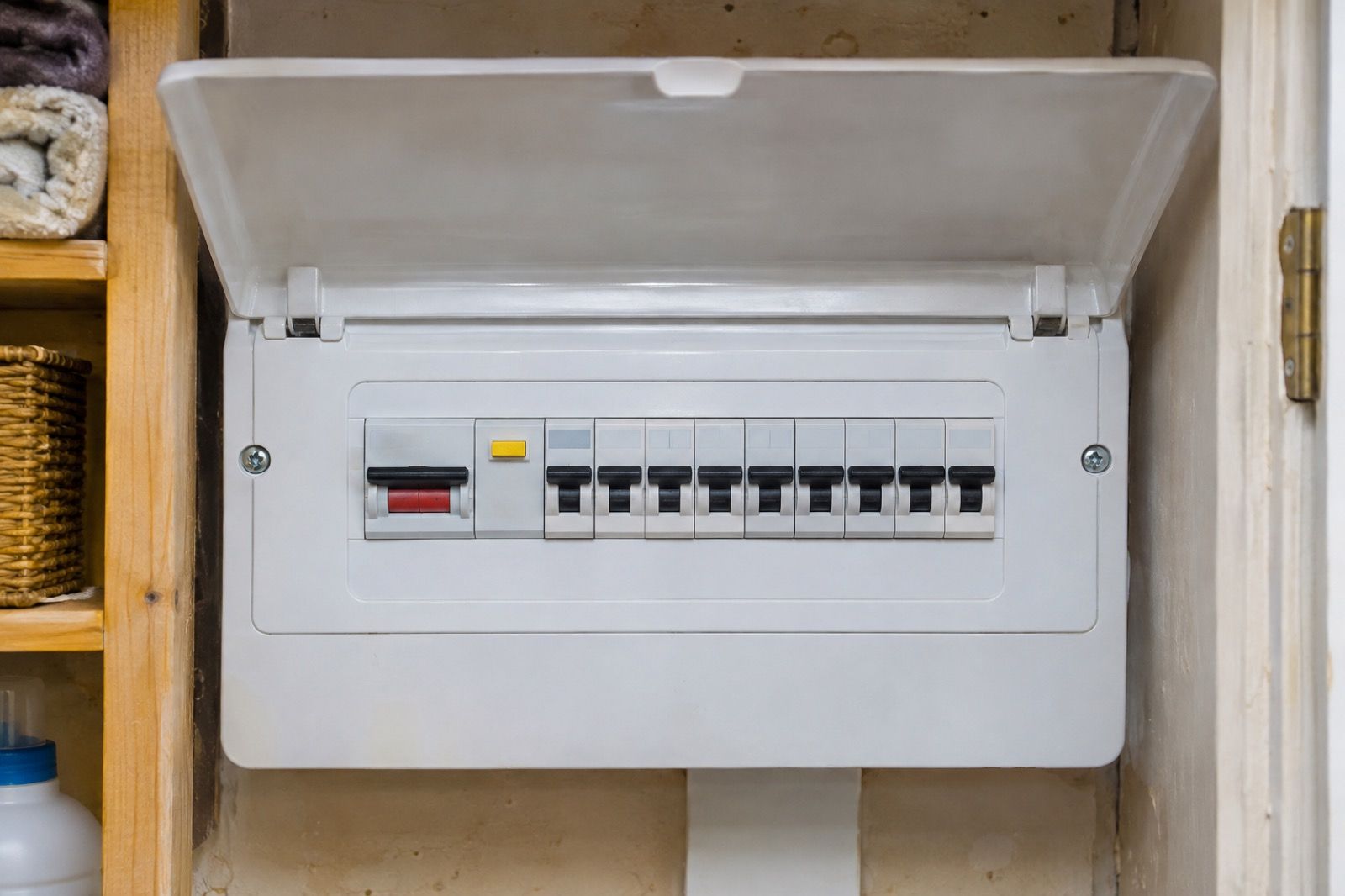
Tripping breakers, RCDs that will not reset and hot or damaged consumer units repaired.
Find out more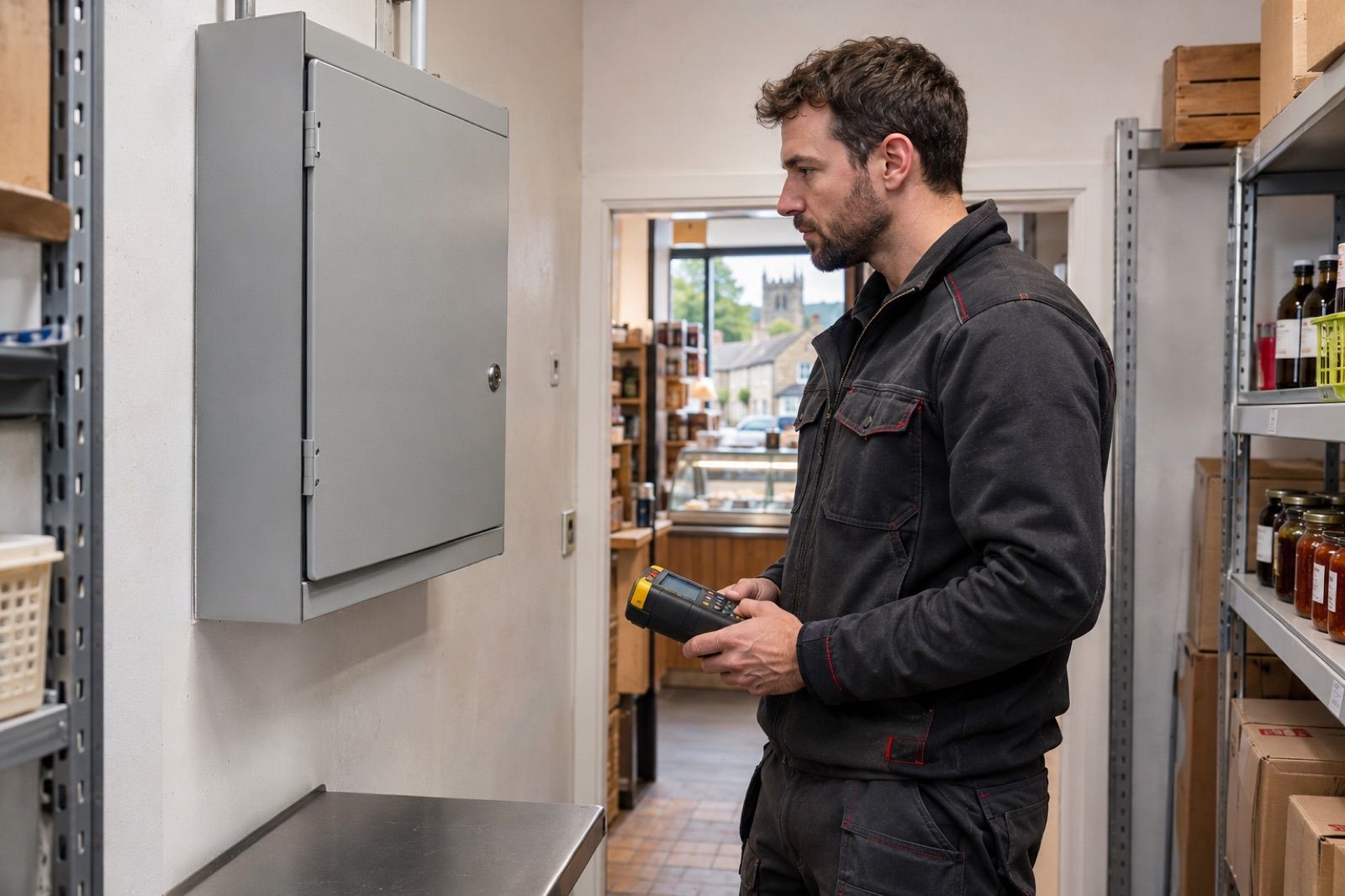
Hidden wiring faults, earth leakage and burning smells located by methodical testing.
You are here
Burnt, loose and sparking sockets, flickering lights and failed emergency lighting fixed.
Find out moreEmergency electricians for homes, landlords, shops, offices and industrial units.
Find out more